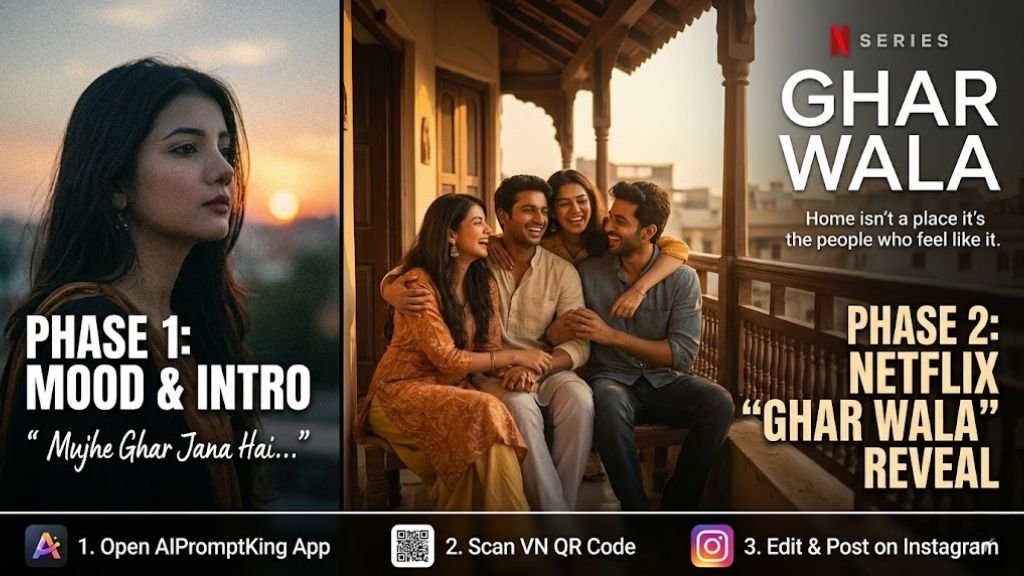
If you have been scrolling through Instagram Reels, you have definitely seen the emotional friendship trend that starts with the text “Mujhe Ghar Jana Hai” (I want to go home). Suddenly, the screen transitions into a realistic Netflix interface showing a series called “GHAR WALA”, with the beautiful caption: “Home isn’t a place it’s the people who feel like it.”
This trend is perfect for celebrating your best friends and old memories. The good news is, you don’t need to manually create that Netflix screen. By using the AIPromptKing app and a simple VN template code, you can create this viral reel in just two minutes.
Here is the complete step-by-step guide to editing this video.
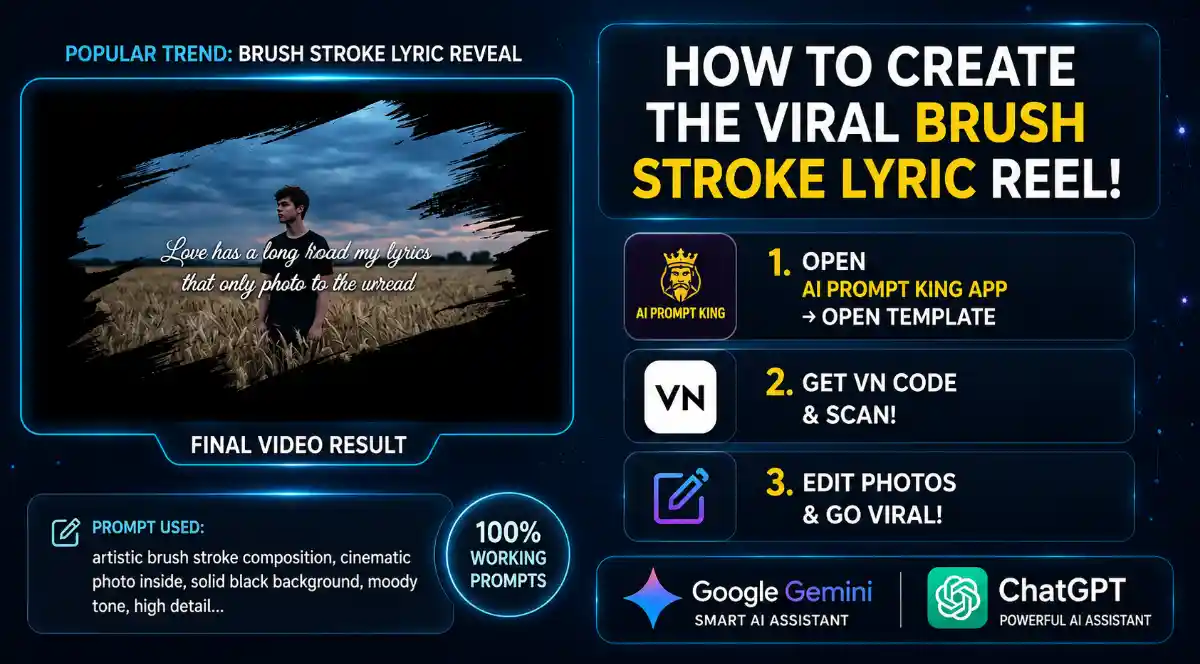
Part 1: Finding the Template in the AIPromptKing App
To start, you will need to get the template access using the AIPromptKing application.
- Open the App: Launch the AIPromptKing application on your smartphone.
- Search for the Trend: Go to the search bar and type in “Netflix Ghar Wala Template” or “Mujhe Ghar Jana Hai”.
- Select the Template: Tap on the correct template to see the preview of the video.
- Get the VN Code: Inside the app, click the button that says “Get VN QR Code on Website”. This will redirect you to our secure website to get the scanning code for your video editor.
Part 2: Applying the VN Code to Edit Your Video
Now that you are on the website, follow these simple steps to add your own photos and videos to the Netflix template.

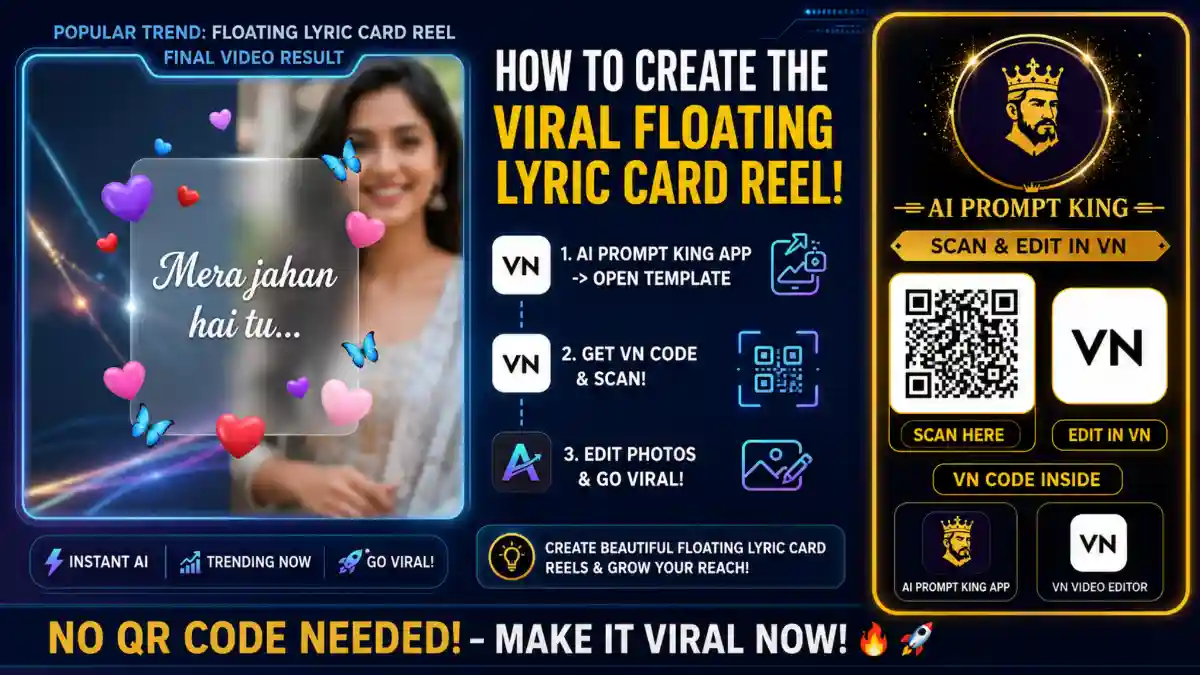
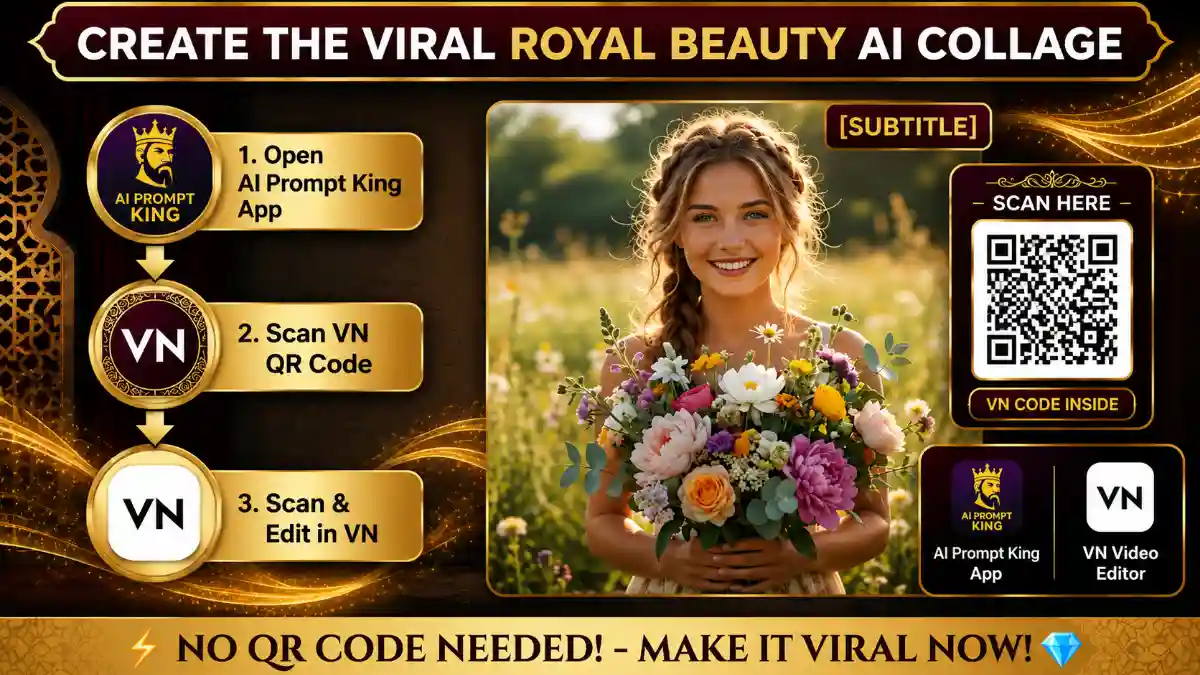
- Find the VN QR Code: Scroll down this page until you see the VN Template QR Code image.
- Save the Code: Take a screenshot of the QR code or save it directly to your phone’s gallery.
- Open the VN App: Launch the VN Video Editor app. On the home screen, tap the “Scan” icon located in the top right corner.
- Scan and Apply: Select the screenshot of the QR code from your gallery. The app will automatically read the code and open the pre-made Netflix template. Click “Download” and then “Use Template”.
- Add Your Memories: Replace the default clips with your own videos and photos of your friends. Add a sad/aesthetic video for the first clip, and happy friendship memories for the remaining clips.
- Export: Once you are happy with the preview, click Export (choose “export without watermark”) and your viral reel is ready to upload!
How to Use This Guide
This tutorial is part of VelocAI’s growing library of practical AI guides. Every step above has been tested on real devices before publishing, so the workflow you see is the same one that produced the demo result. If a step looks unfamiliar, scroll back to the top and match the screenshots one by one before moving forward — small details (aspect ratio, export quality, audio sync) make a big difference in the final output.
Pro Tips for Better Viral Reels
- Hook in the first second: The opening frame decides if a viewer keeps watching or scrolls away. Lead with motion, a face, or a contrasting colour.
- Match audio to motion: Use VN’s beat markers to align cuts with the music drop. Reels that feel “in time” with the audio get more replays.
- Keep duration tight: 7–15 seconds usually outperforms longer edits for trending audios. Remove any second that does not add value.
- Export at 1080p, 30fps: Higher bitrate exports look noticeably cleaner on Instagram’s compressed feed.
- Reuse winning templates: If a reel performs well, post a follow-up using the same structure within 48–72 hours while the algorithm is favourable.
Common Mistakes to Avoid
Most reels fail because of small, fixable issues, not because the template is bad. Watch out for these:
- Wrong aspect ratio: Always export 9:16 vertical. A 16:9 export with black bars looks unprofessional and gets less reach.
- Skipping the cover frame: A clean cover image dramatically improves click-through from the Reels grid — do not leave it as the first auto-frame.
- Copyrighted music in the wrong region: Some songs are blocked in specific countries; preview your reel from a friend’s account before declaring it final.
- Over-editing: Too many transitions feel chaotic. Three to five hard cuts plus the trending audio is usually enough.
What You Need to Recreate This
- A smartphone with the latest VN Video Editor installed
- The exact template / VN code shared in the post above
- One reference photo or video clip in good lighting
- The trending audio saved to your VN drafts
- Roughly 5–10 minutes of focused editing time
FAQ
Is this method free to use?
The core workflow uses tools that have a generous free tier. Where a paid plan unlocks faster rendering or higher quality, the post mentions it explicitly. You can complete the basic tutorial without paying anything.
How long does it take to recreate this?
Most readers finish in 10–20 minutes the first time and under 5 minutes once familiar with the tool. The slowest part is usually the rendering or export step.
Will this work on my phone?
Yes — this guide is mobile-first wherever possible. The tutorial uses tools available on both Android and iOS. If a desktop step is required it will be clearly marked.
What if my output looks different from the demo?
Small differences in source media (lighting, framing, resolution) change the final result. Re-check the inputs first, then revisit the settings step by step. Most variations come from a single mismatched parameter.
Can I use this commercially?
It depends on the licence of the underlying tool, music, or assets. Check the original tool’s terms of service before using output for paid client work or branded campaigns.
Found an error in this guide or want to suggest an update? Drop us a note via the contact page — we read every message.